
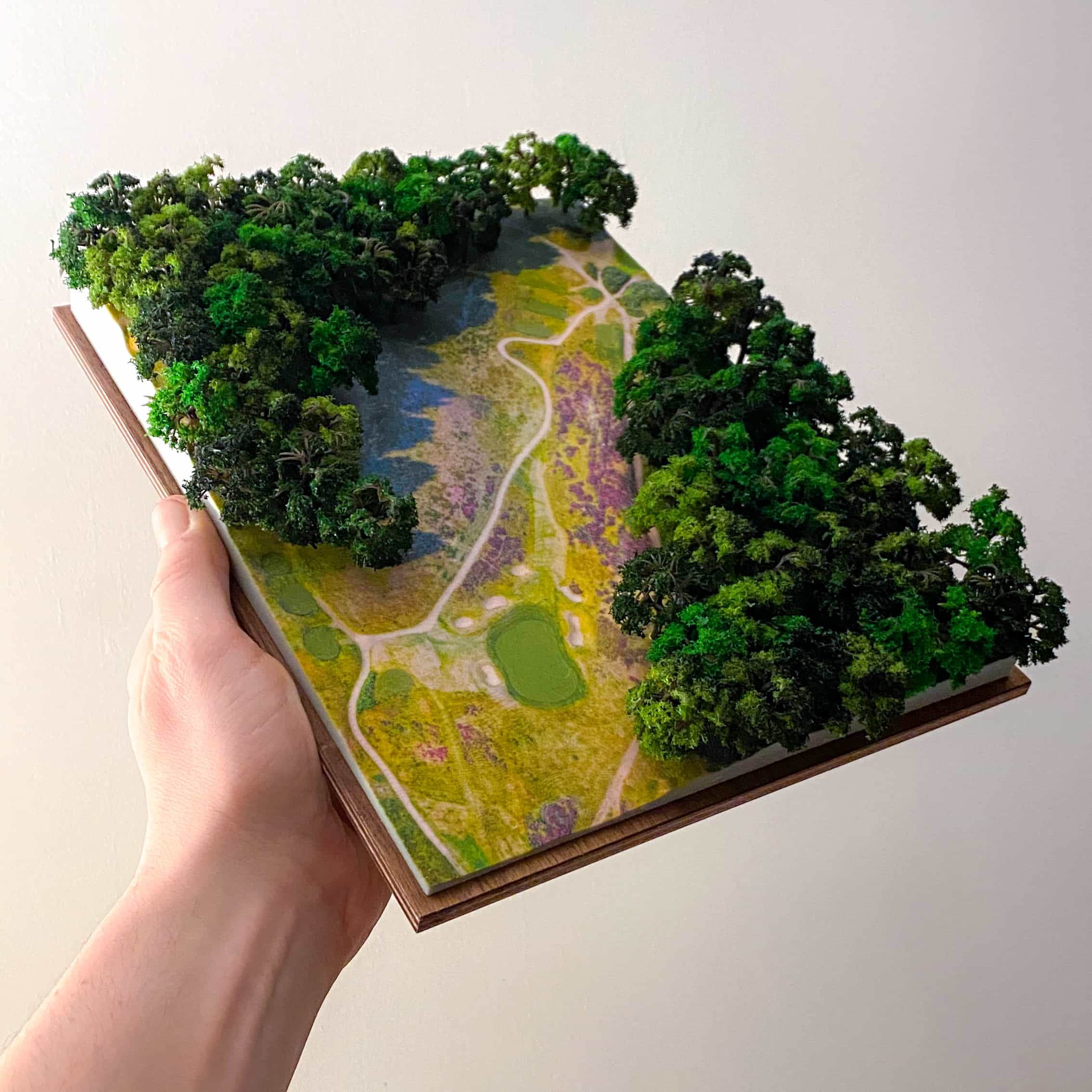
How 3D Golf Course Design Improves Planning and Visualization
The design of 3D golf courses has forever changed the way architects, developers, and planners conceive and implement today’s courses. Advanced three-dimensional models enable professionals to see the construction site and layout and foundational elements before they commence building. The use of 3D models allows for increased accuracy and decreased potential for costly mistakes, as well as improved communication and collaboration among all parties involved. With true-to-life simulations and accurate and integrated data regarding the course’s construction, 3D golf course design allows for more intelligent planning, decision-making, and a greater amount of sustainability in new course creation.
Enhanced Course Visualization with 3D Landscape Planning
3D landscape planning enables designers to visualize golf course layouts in a realistic environment. Elevation changes, fairways, greens, and hazards become easier to assess, allowing planners to refine designs before construction begins.
Realistic Terrain Representation
3D models accurately represent natural terrain, slopes, and contours. This realism helps designers understand how land features influence playability, drainage, and aesthetics, ensuring the golf course blends seamlessly with its natural surroundings.
Improved Design Accuracy
With precise spatial data, 3D golf course design minimizes measurement errors. Designers can adjust layouts digitally, reducing the risk of costly on-site changes and ensuring that the final course matches the original vision.
Better Stakeholder Communication
3D visualizations make it easier to communicate design concepts to clients, investors, and authorities. Stakeholders can clearly see proposed layouts, leading to faster approvals and fewer misunderstandings during planning stages.
Faster Design Revisions
Changes in routing, green placement, or hazards can be implemented quickly within a 3D model. This flexibility allows designers to test multiple scenarios without disrupting project timelines or budgets.
Improved Playability Analysis Using 3D Simulation for Golf Courses
3D simulation for golf courses allows designers to evaluate shot angles, ball trajectories, and course difficulty. This data-driven approach ensures fair, engaging, and balanced course designs for golfers of all skill levels.
Shot Strategy Evaluation
Designers can simulate player shots across fairways and greens. This helps identify strategic landing zones and refine hazard placement to create challenging yet enjoyable playing experiences.
Course Difficulty Optimization
3D simulations help balance course difficulty by adjusting slopes, distances, and hazards. Designers can ensure the course remains competitive without being overly difficult for amateur golfers.
Player Experience Enhancement
By visualizing gameplay scenarios, designers can optimize course flow and pacing. This results in smoother transitions between holes and a more enjoyable experience for players.
Data-Driven Design Decisions
Using simulation data, designers make informed decisions rather than relying on assumptions. This reduces design risks and improves the overall quality of the golf course layout.
Cost Efficiency and Risk Reduction Through 3D Golf Course Design
3D golf course design helps identify potential issues before construction begins. This proactive approach reduces material waste, prevents costly redesigns, and improves budget control throughout the project lifecycle.
Cost and Risk Benefits
- Early detection of grading and drainage issues
- Reduced construction rework and delays
- Accurate earthwork and cut-and-fill calculations
Reduced Construction Errors
Detailed 3D models reveal design conflicts early, minimizing construction mistakes. This accuracy ensures smoother execution and lowers unexpected costs during development.
Optimized Resource Allocation
By understanding material requirements in advance, developers can allocate labor, equipment, and materials efficiently, improving overall project profitability.
Shorter Project Timelines
With fewer revisions and clearer construction plans, 3D modeling accelerates project timelines, enabling faster course completion and earlier operational launch.
Improved Budget Forecasting
Accurate digital models support precise cost estimates, helping developers plan investments and avoid unexpected financial overruns.
Environmental Sustainability Through 3D Landscape Planning
3D landscape planning supports environmentally responsible golf course development. Designers can analyze land use, water flow, and vegetation placement to minimize ecological impact.
Sustainability Advantages of 3D Modeling
| Feature | Environmental Benefit |
| Terrain Analysis | Minimizes land disturbance |
| Preserves natural ecosystems | Prevents erosion and flooding |
| Vegetation Mapping | Preserves natural ecosystems |
Efficient Water Management
3D models help plan irrigation systems by analyzing slopes and water flow. This improves water efficiency and supports sustainable turf management practices.
Reduced Environmental Impact
By visualizing land modifications digitally, designers reduce unnecessary excavation and protect natural habitats, promoting eco-friendly golf course construction.
Climate-Responsive Design
Designers can test how weather patterns affect the course, enabling climate-adaptive layouts that remain playable and resilient year-round.
Long-Term Maintenance Planning
3D models assist in forecasting maintenance needs, allowing course managers to plan sustainable upkeep strategies that reduce long-term environmental strain.
Better Collaboration and Marketing with 3D Golf Course Design
3D golf course design enhances collaboration among architects, engineers, and developers while also serving as a powerful marketing tool for promotions and investor presentations.
Collaboration and Marketing Benefits
- Clear visualization for team coordination
- High-quality visuals for investor pitches
- Engaging marketing materials for golfers
Streamlined Team Coordination
All project stakeholders can access the same 3D model, ensuring alignment across design, engineering, and construction teams.
Investor-Ready Visuals
Photorealistic 3D renderings help attract investors by showcasing the project’s full potential before construction begins.
Enhanced Promotional Content
Golf clubs can use 3D models for brochures, websites, and digital marketing, creating excitement and anticipation among potential players.
Future Expansion Planning
3D models provide a foundation for future upgrades or expansions, allowing clubs to plan additional features with minimal disruption.

Founder & CEO
Bigyan Kar is the driving force behind Geoshot Technologies and has been since its founding, leading the company’s vision in delivering advanced CAD, GIS, graphics, map illustrations, and 3D solutions across multiple industries. While Geoshot serves a wide range of sectors, Bigyan has maintained a strong specialization in golf course graphics.
