
Understanding the Purpose of a Golf Course Master Plan
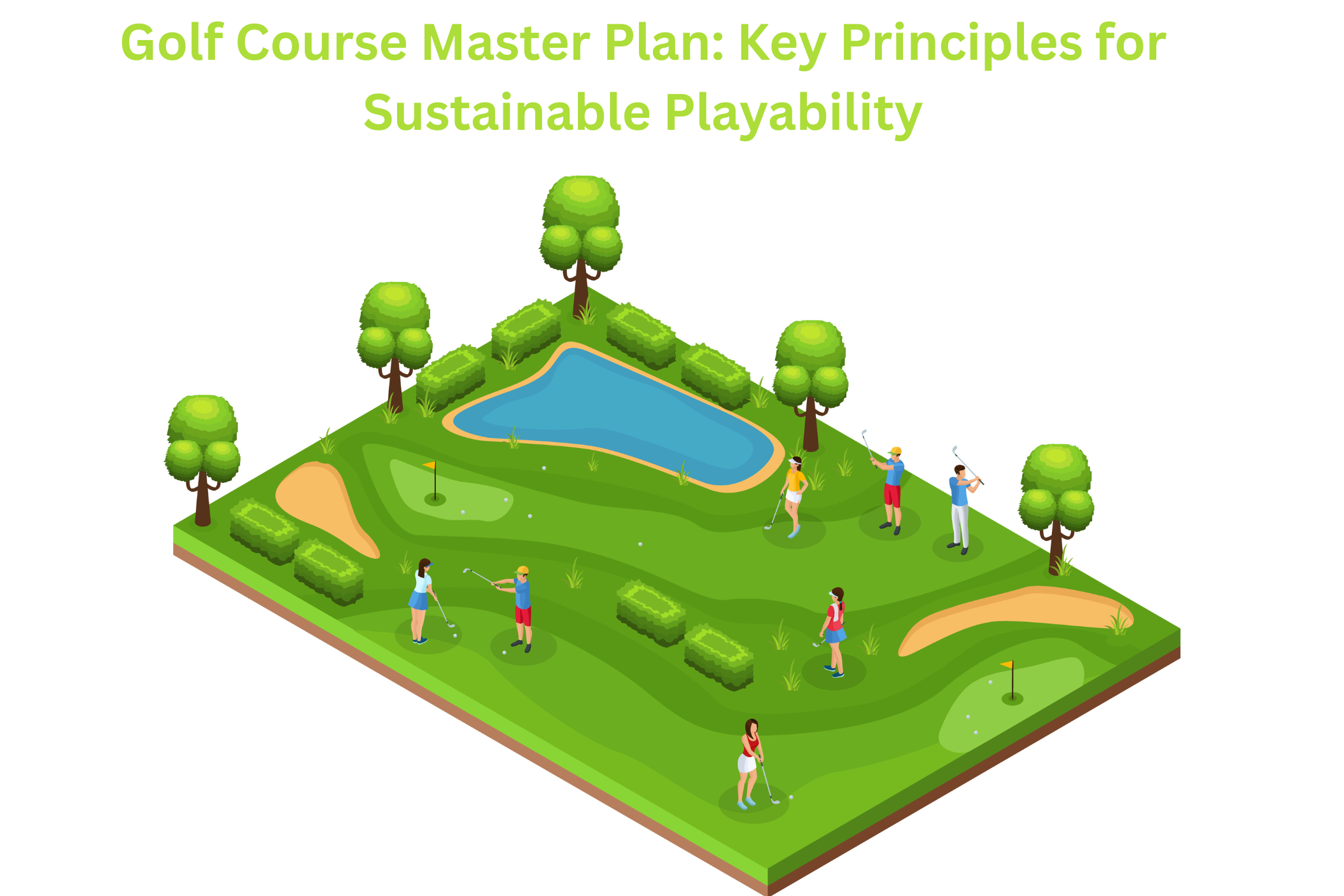
The golf course master plan is, essentially, a long term vision. The plan identifies how the course will be constructed, renovated, and continued to be developed for years into the future. A good master plan will take into consideration the balance of playability, sustainability, aesthetics, and operational effectiveness. When planners combine course layouts with 3D models, they can see the terrain, routing, and environmental effects prior to actual construction. An excellent master plan provides for uniformity, cost containment, and provides golfers with an outstanding experience on the golf course.
Strategic Site Analysis Using Golf Course Layout Planning
- Evaluation of topography, soil type, and drainage
- Climate and wind pattern assessment
- Existing vegetation and wildlife protection
- Accessibility and infrastructure planning
Strategic site analysis is the foundation of a successful golf course master plan. Understanding land characteristics helps designers create a golf course layout that works with nature, minimizes earthwork, and enhances long-term sustainability while improving playability.
Topography and Natural Landforms
Using natural slopes and contours reduces construction costs and creates visually engaging holes. A golf course 3D model helps designers study elevation changes and optimize fairway routing while preserving the site’s original character.
Environmental Constraints and Opportunities
Wetlands, water bodies, and protected zones must be respected in the master plan. Thoughtful planning turns environmental constraints into design features that improve biodiversity and strengthen the sustainability of the golf course.
Climate-Responsive Course Design
Climate data influences turf selection, irrigation planning, and hole orientation. A climate-aware golf course layout ensures year-round playability and reduces water and energy consumption.
Access, Utilities, and Infrastructure
Road access, utilities, and service routes are integrated early in the golf course master plan to support smooth operations without interfering with the playing experience.
Sustainable Design Principles in Golf Course Master Planning
- Water-efficient irrigation systems
- Native and drought-resistant turfgrass
- Reduced chemical usage
- Energy-efficient maintenance practices
Sustainability is a core objective of modern golf course master planning. Integrating eco-friendly practices into the golf course layout ensures environmental responsibility while lowering maintenance costs and enhancing long-term course performance.
Water Conservation & Management
The use of smart irrigation systems and recycling sewage as a reusable source of potable water significantly reduces the amount of freshwater consumed at golf courses. Using 3D models created from Topographic data to simulate water flowing and draining allows designers to achieve maximum efficiency.
Native Vegetation & Turf Selection
By selecting plants that are native to the area, course designers can enhance their environment’s biodiversity and resiliency, as well as reduce ongoing maintenance costs. You can also provide high-quality playing surfaces while supporting local ecosystems.
Soil Health & Drainage Design
Create a sports turf that grows well in healthy soils. Additionally, properly designed drainage that allows for playability after large storm events will help maintain the highest quality golf course conditions.
Long-Term Environmental Stewardship Plan
Master planning includes a long-term view on the stewardship of our land. The ultimate objective of master planning is to balance providing an enjoyable experience for golfers while practicing good environmental stewardship of land.
Playability and Golfer Experience Optimization
- Strategic hole routing
- Multiple tee options
- Balanced risk-reward design
- Clear sightlines and safety zones
The course is designed to allow golfers of all skill levels to experience its full potential for enjoyment (playability). By creating a well-balanced layout that captures both challenge and fairness, the pace of play remains constant and progressive.
The routing of holes and how well they flow together
Minimized distance between holes and a consistent rhythm established by routing of holes is required. A master plan for the entire golf course provides continuity of movement from hole to hole.
Different Tees allow for a Variety of Skills
By providing players with different tee locations allows for beginner, amateur, or professional to play the course. This provides players with more access and opportunities to experience the course repeatedly and to repeat it.
Risk vs Reward Design
Providing strategic locations for hazards encourages a player to make a choice. Well placed locations for both bunkers and bodies of water create excitement without delivering unfair penalties.
Safety & Visibility
Clear line of sight and buffer zones ensure safety for both players and spectators, therefore, making safety an essential component to the master plan when developing the course.
Role of Golf Course 3D Model in Master Planning
- Accurate terrain visualization
- Cut-and-fill optimization
- Stakeholder presentations
- Design validation before construction
Terrain modeling and earthwork accuracy – With a 3D model, accurate estimates for grading and earthwork can be calculated, which saves valuable time and money during construction.
Stakeholder communication and approval
3D visual models are excellent tools for facilitating quick understanding among stakeholders of how a golf course layout will appear, which will speed up the approval process and decrease the number of revisions made to design documents.
Phased construction scheduling
Visualization of project phases enables contractors and architects to smoothly implement a physical master plan while maintaining current operations on an existing golf course.
Future remodels or expansions
A carefully detailed 3D model provides an architectural firm with the necessary information to develop a remodelor an expansion for the future without altering the original design intent.
Operational Efficiency and Long-term Maintenance Planning
Resource consumption can be reduced and budgets can be more accurately forecasted if maintenance routing is done efficiently in conjunction with lifecycle planning. Operational efficiency enables the golf course to remain profitable. The master plan for the golf course will incorporate maintenance as part of the initial design process.
Access and Equipment Flow to Maintain
When the route of service is well designed, the damage to turf can be limited and maintained on an efficiency basis.
Cost Control with Smart Design
The proper layout and design will reduce the cost of maintaining a facility in the future with no decrease in quality.
Longevity of Turf and Management of Wear
A design that distributes traffic evenly over an area will increase the longevity of turf and decrease the need to repair.
Adaptive Management Strategies
The ability to develop an adaptive master plan will allow for changing conditions of the course and changes in the expectations of the golfers that use the facilities.
Frequently Asked Questions

Founder & CEO
Bigyan Kar is the driving force behind Geoshot Technologies and has been since its founding, leading the company’s vision in delivering advanced CAD, GIS, graphics, map illustrations, and 3D solutions across multiple industries. While Geoshot serves a wide range of sectors, Bigyan has maintained a strong specialization in golf course graphics.
